
Your roof is a major investment and the primary shield protecting your family and your belongings from the elements. However, many homeowners in North Georgia treat their roofs with an “out of sight, out of mind” mentality, only paying attention when a leak springs or a storm hits. Proactive, regular maintenance is the key to maximizing the lifespan of your roof, preventing costly emergency repairs, and preserving your home’s structural integrity. This comprehensive roof maintenance checklist is designed specifically for the unique environmental demands of North Georgia.
Why Regular Maintenance Matters
North Georgia’s climate is tough on roofs. The heavy pollen in the spring can cause buildup; the intense summer heat causes thermal shock (expansion and contraction of shingles); fall brings an avalanche of leaves and pine needles; and winter brings freezing temperatures and ice. Regular maintenance ensures these elements do not cause premature failure of your roofing system.
The Biannual Inspection: Spring and Fall
You should inspect your roof at least twice a year—once in the late spring after the severe storm season begins to taper off, and once in the late fall after the trees have shed their leaves. Here is what you need to check:
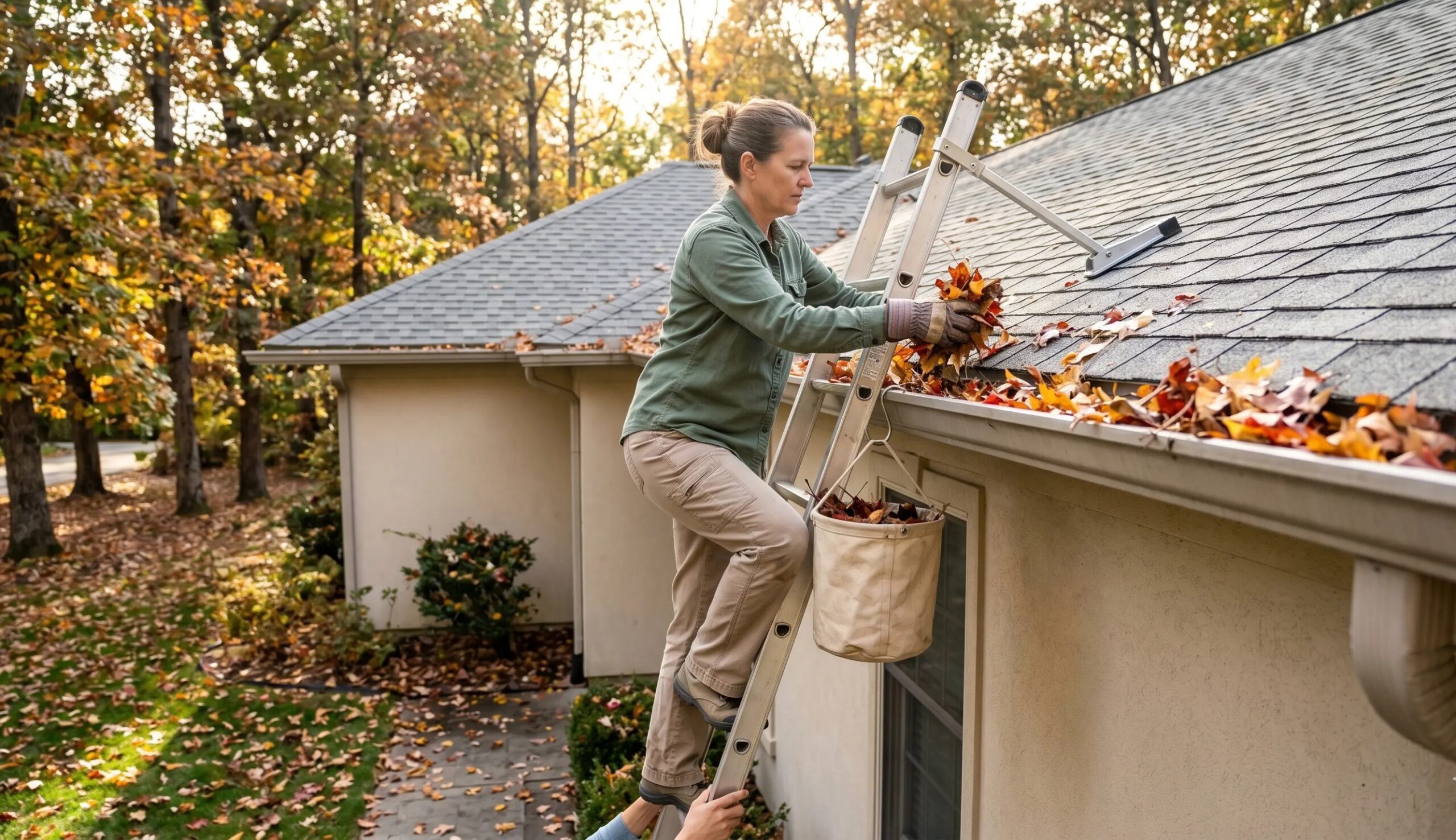
1. Clean Your Gutters and Downspouts
This is arguably the most critical maintenance task. When gutters clog with leaves, twigs, and pine straw, water backs up. This backed-up water can seep under your lower roof shingles, causing the fascia boards and roof decking to rot. It can also cause water to spill over the sides, eroding your foundation. Ensure gutters are clear and water flows freely out of the downspouts away from the house.
2. Trim Overhanging Tree Branches
Look at the trees surrounding your home. Branches that hang over the roof pose several threats. During a storm, wind can cause branches to scrape against the shingles, stripping away the protective granules. Furthermore, overhanging branches provide a superhighway for squirrels and rodents to access your roof and chew into your attic. Keep all branches trimmed at least 10 feet away from the roofline.
3. Inspect Flashing and Seals
Flashing refers to the metal strips used to seal the valleys of the roof and the joints around penetrations like chimneys, skylights, and plumbing vents. These are the most common areas for leaks to develop. Check the caulking and sealant around these areas. If the sealant is dried, cracked, or peeling away, it needs to be carefully removed and reapplied to maintain a watertight barrier.
4. Check for Moss and Algae Growth
In the humid environment of North Georgia, particularly on the heavily shaded north-facing sides of homes, you might notice dark streaks of algae or thick green moss growing on your shingles. While algae is mostly a cosmetic issue, moss is dangerous. Moss acts like a sponge, holding moisture against the shingles and accelerating their deterioration. If you see significant growth, hire a professional roof cleaning service that uses a “soft wash” technique—never use a high-pressure power washer on an asphalt roof, as it will destroy the shingles.
5. Attic Ventilation and Insulation Inspection
Proper roof maintenance extends inside the house. Check your attic. Is it excessively hot or humid? Do you see signs of moisture or frost on the nails protruding through the roof deck? Poor attic ventilation traps heat and moisture, which “cooks” your shingles from the inside out and leads to wood rot and mold. Ensure soffit vents are not blocked by insulation and that ridge vents or exhaust fans are functioning properly.
When to Call a Professional Roofer
| Situation | Action Required |
|---|---|
| You find shingles in your yard after a storm. | Call a pro immediately for a damage assessment and repair. |
| You notice active leaks or water stains inside. | Emergency repair needed to prevent structural damage. |
| The roof is over 15 years old. | Schedule an annual professional inspection to monitor aging. |
| Your roof is steep or multi-story. | Do not attempt DIY inspections; hire a professional for safety. |
Conclusion
By dedicating a few hours each spring and fall to this maintenance checklist, you can add years to the life of your roof. While DIY visual inspections are great, nothing replaces the trained eye of a professional. If you are unsure about the condition of your roof, contact a trusted North Georgia roofing contractor to perform a comprehensive evaluation.